What Sells Most at Diwali in India: 2025 Category Data
Gift items, sweets and dry fruits made up 15% of India's Diwali 2025 sales, about ₹81,000 crore, says CAIT. What the category data means for what you give.

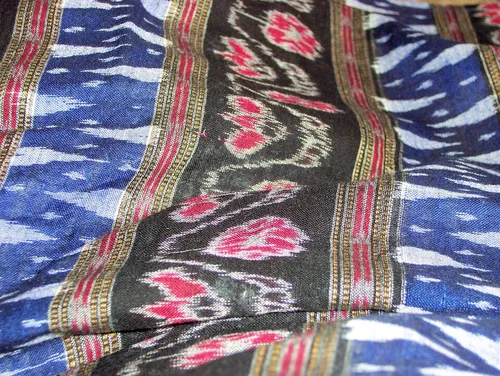
Photo: आर्या जोशी, CC BY-SA 4.0 · via Wikimedia Commons
Gold and jewellery took 10% of India's Diwali 2025 sales. Sweets, dry fruits and bakery items together took 11%. That is the least-quoted line in the festive-season data from the Confederation of All India Traders (CAIT), and it says more about gifting than the headline does.
CAIT's headline is ₹6.05 lakh crore of Diwali trade, made up of ₹5.40 lakh crore in goods and ₹65,000 crore in services, which it calls a 25% rise on 2024. The survey covered 60 distribution centres, from state capitals to Tier 2 and Tier 3 cities. Below that headline sits a category split, and three of its lines are gift categories: gift items (7%), sweets and namkeen (5%) and fruits and dry fruits (3%). Together that is 15%, about ₹81,000 crore on the goods figure.
Most of the biggest Diwali categories are things people buy for themselves, but the three gift categories together are still worth about ₹81,000 crore.
India's Diwali 2025 sales by category
CAIT publishes shares of sales for 15 groups. These are the ones that matter for gifting, with a rupee figure we worked out by applying each share to the ₹5.40 lakh crore goods total.
| Category | Share of sales | Approx. value |
|---|---|---|
| Grocery and FMCG | 12% | ₹64,800 crore |
| Gold and jewellers | 10% | ₹54,000 crore |
| Electronics and electricals | 8% | ₹43,200 crore |
| Gift items | 7% | ₹37,800 crore |
| Sweets and namkeen | 5% | ₹27,000 crore |
| Fruits and dry fruits | 3% | ₹16,200 crore |
| Bakery and confectionery | 3% | ₹16,200 crore |
| Pooja articles | 3% | ₹16,200 crore |
The other seven groups are consumer durables (7%), garments (7%), home décor (5%), furnishing and furniture (5%), textiles (4%), footwear (2%) and a miscellaneous bucket of 19%.
What the category data does not tell you
Three cautions before anyone quotes these numbers.
CAIT is a trade body that lobbies for traders, and its figure is a survey estimate across 60 centres, not an audited count. It also does not say whether the shares apply to total trade or only to goods. We used the goods total, the smaller base, so the rupee figures above are the cautious ones. And its own numbers do not quite agree: ₹5.40 lakh crore against ₹4.25 lakh crore is a 27% rise, not 25%, so the 2024 base may be measured differently. We quote CAIT's 25% as CAIT's. The bigger limit is that a category is not a gift. Grocery, electronics and gold are mostly bought for the household. Nobody can tell from this data how much of "gift items" or "sweets" was actually given away.
What online sales add
One other source covers the same season from the seller side. Unicommerce, whose software runs order handling for online brands, reported 24% growth in order volume and 23% growth in order value over a 25-day festive window, on data from more than 150 million transactions across 2024 and 2025. Quick commerce grew 120% in orders, brand-owned websites grew 33%, and marketplaces, still the largest channel at 38% of orders, grew only 8%.
Its top categories were FMCG, home décor and furniture, beauty and wellness, and health and pharma. These are platform figures from online sellers, so they say nothing about shops on the street.
What to give, given the data
We think the useful reading is simple: the money in Diwali gifting sits in food and in objects for the home, and gold is the exception that follows its own calendar. Here is how each maps to a GiftScene idea.
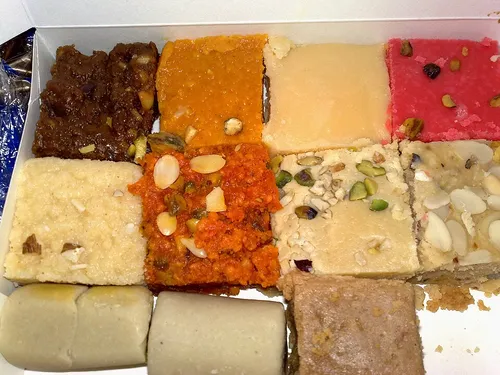
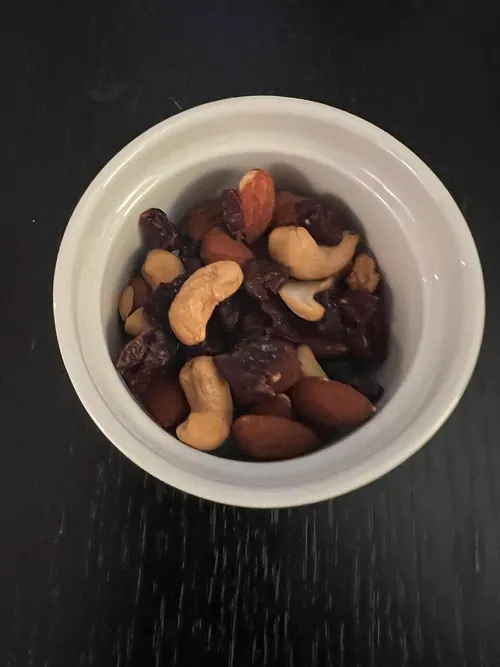
- Sweets and dry fruits: the consumable gifts, and the pair where shelf life matters most. See our guide to shelf life, delivery and prices.
- Hampers: the gift-items line in practice. What is inside decides whether one is worth the price, covered in what's inside a Diwali hamper.
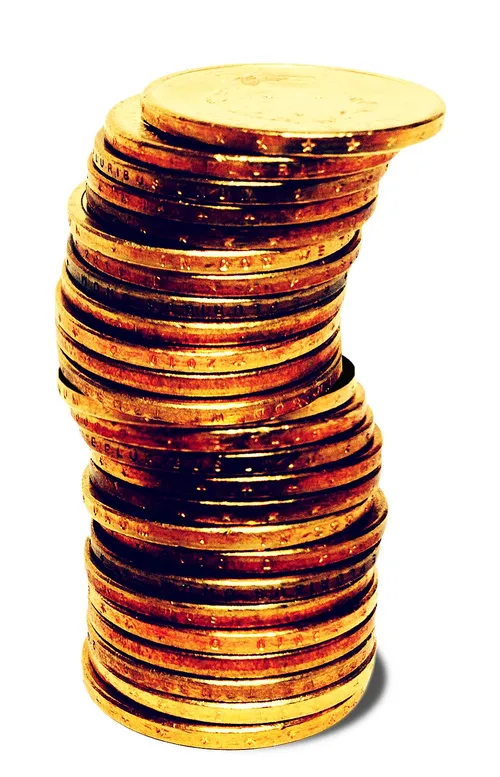
- Gold and silver coins: bought mostly around Dhanteras. Check purity and buyback terms first.
- Diyas and pooja items: low-cost, and part of the 3% pooja category.
Mithai & sweet boxes
Dry fruit boxes

Diwali hampers
Gold & silver coins

Diyas & festive lamps

Pooja thalis
For a team or a list of clients, the same logic applies at a larger scale, and Diwali gifts for employees by budget works through it band by band. Browse everything on the Diwali occasion page.
What is the biggest-selling category at Diwali in India?
In CAIT's 2025 survey, grocery and FMCG led with 12% of sales, ahead of gold and jewellers at 10% and electronics at 8%.
How much do Indians spend on Diwali gifts?
CAIT puts gift items at 7% of Diwali 2025 sales, about ₹37,800 crore on its goods figure. Adding sweets and dry fruits takes it to roughly ₹81,000 crore.
Are sweets and dry fruits bigger than gold at Diwali?
Together, sweets and namkeen, dry fruits and bakery took 11% of sales against 10% for gold and jewellers. Alone, each is smaller than gold.
Method: Category shares and totals come from CAIT's Diwali 2025 release. Rupee values are our arithmetic, each share multiplied by ₹5.40 lakh crore. Order growth figures are Unicommerce's own, as reported in the trade press. We did not use any figure we could not trace to one of these two sources.